

The carton always wins
No matter how expensive scratching posts, cuddly caves and toys are, in the end the cat sits in the shipping box. About a mysterious love, the science behind it and the question of who actually gets the gift here.
The pre-Christmas period is parcel time, and parcel time is apparently high season for cats. I am now firmly convinced: The most expensive cat toy in the world loses to the box in which it was delivered. This is not a theory of mine, this is a law of nature with whiskers.
A cardboard box is not garbage, but living space
Anyone who lives with cats knows the ritual. The package arrives, is opened, the contents are admired, and even before the box is allowed to go to the waste paper, it is occupied. A cat sits in it as if it had signed an open-ended lease there. Notice period: unknown. Rent payment: none.
We have two cats, Lima and Speedy. I've written about them before: They are two completely different characters, they tolerate each other, but they're not best friends. Speedy follows me almost everywhere, even to the toilet, and occasionally brings a mouse with her, which makes our living room a crime scene. Lima is rather anxious, doesn't like noise and likes to withdraw.
When I look at the two of them, I can vividly imagine how differently they would evaluate a cardboard box. For one it is probably a place of retreat, for the other an observation post with a view to humans. But the basic principle remains surprisingly the same for cats: An empty box is not waste. It is an offer.
What science says about it
I was curious and read up to see if there was a reasonable explanation for it. It exists, and it is more serious than the funny picture suggests.
In 2014, researchers at the University of Utrecht in the Netherlands investigated whether a hiding box helps shelter cats. 19 newly arrived cats were observed, ten of which were given a cardboard box, nine were not. Measurements were taken with a so-called cat stress score. This is a rating scale that experts use to assess how stressed a cat is based on posture and behavior. The result: The cats with a box were significantly less stressed in the first few days and had settled in more quickly. The cats without a box only reached the same level after about two weeks.
So a cardboard box is not just a whim for a cat. It is a safe place where it can hide when the world becomes too much for it. I can understand that well. On some days, I would also like to have a box in which I can sit when the phone rings too often.
If I fits I sits
I find a study from 2021 with the beautiful title „If I fits I sits“, in German approximately: If I fit in, I sit in. The title comes from an internet saying about cats that squeeze into every box, no matter how small.
The researchers wanted to know whether cats also sit in a square that does not really exist. To do this, they used an optical illusion, the so-called Kanizsa square. Four shapes, which look like bitten circles, are arranged in such a way that the human eye sees a square in the middle, even though there are no lines there. The brain simply fills in the missing edges itself.
The owners carried out the experiments themselves at home, which is called citizen science, i.e. science with the cooperation of citizens. Of the cats that took part in all the rounds, nine sat on one of the shapes at all. They chose the mock square about as often as a real square and almost never chose the comparison figure without a square effect. The sample is small, but the result is still remarkable: cats apparently fall for the same optical illusion as we do.
I think that's great. A cat doesn't even need a real cardboard box. The idea of a cardboard box is enough for her. This is minimalism on a level that interior design magazines only dream of.
What I take away from it
For me, this results in a very practical consequence: a cardboard box can be left standing for a few days before it ends up in the waste paper. For a cat, this is not junk, but an additional room. Especially for anxious animals that don't like noise, a quiet retreat can be valuable in the hectic pre-Christmas season, when visitors come, doors rattle and it smells of cookies everywhere.
The only thing I think is important is to leave a cat alone in its hiding place. If you withdraw, you don't want to be pulled out. This applies to cats, and to be honest, it applies to me too. And before that, I check that there are no more staples, adhesive tapes or plastic parts in the box, because packaging material does not belong in a cat's stomach.
My conclusion
Cats don't love cardboard boxes because they are strange, but because a cardboard box offers protection, an overview and the feeling of having the situation under control. The fact that they leave expensive toys behind is not ingratitude, but a very clear prioritization.
That's why I'm not angry about it. When parcels arrive at the house again this December, I already know who is most happy about the delivery. And it's not the person to whom the parcel was addressed.
Freric
You may also like
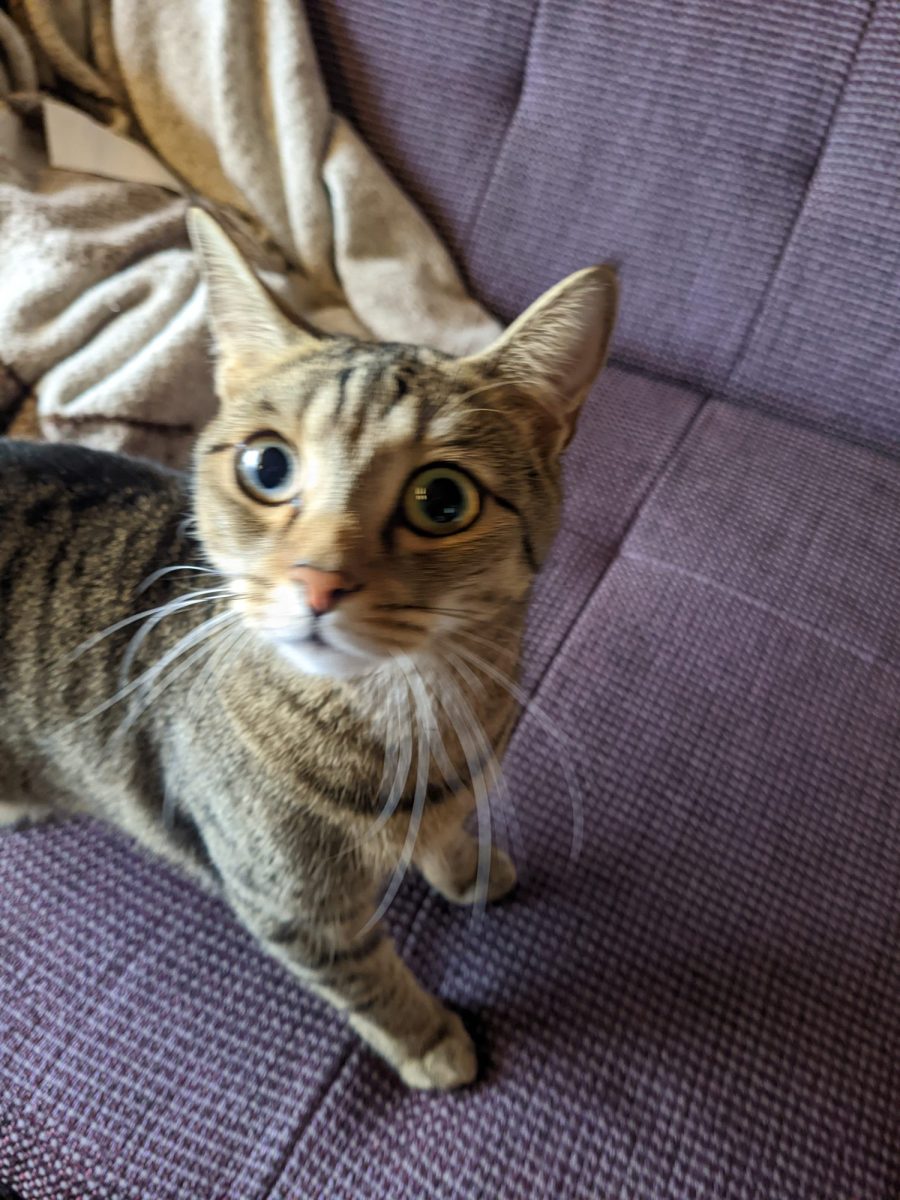
Who is actually raising whom here
For a long time, I believed that in our house, people keep the cats. That's what it says in every vet form, where you enter your own name under "owne…
Read more →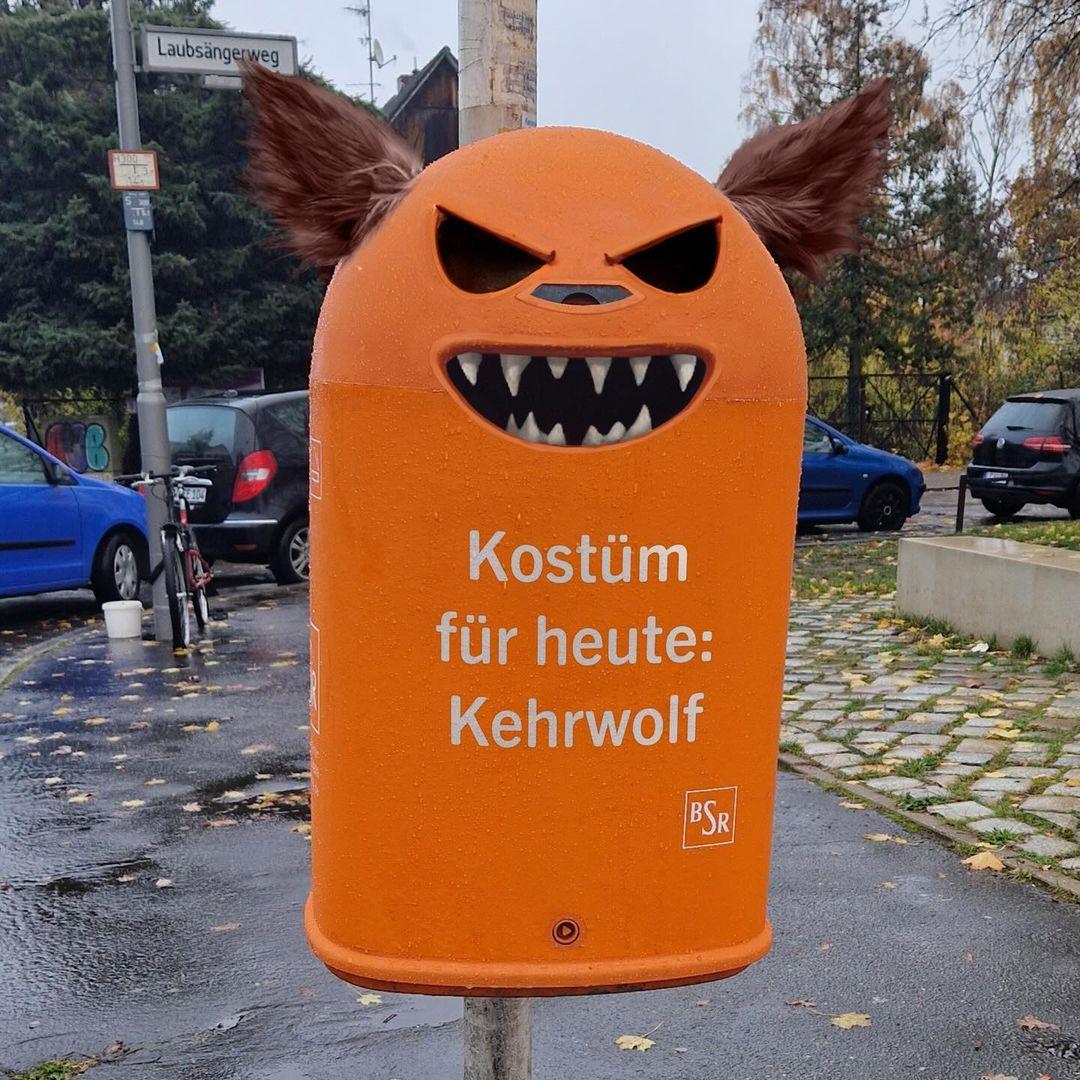
Halloween on my doorstep
On October 31, the doorbell rings again, and little witches, vampires and skeletons are standing outside. Why I like Halloween now, even though I tho…
Read more →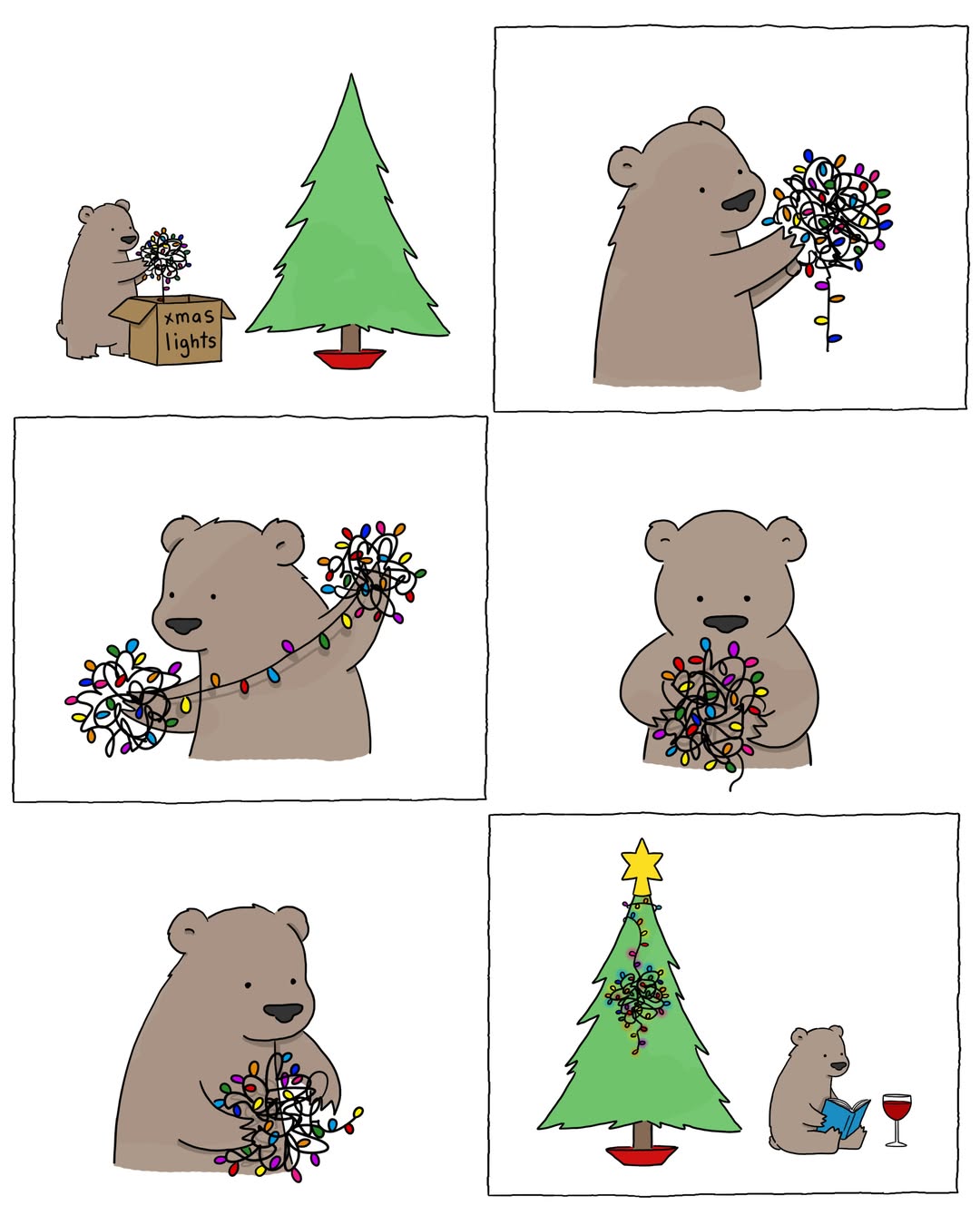
String lights – the annual knot in the box
Soon, millions of people will once again take their string lights out of the basement and realize that the cables have apparently secretly arranged a…
Read more →Want more between the blog posts? I share photos and short notes on Bluesky.
Comments
Write a comment